
 What is Hypermobility in Children?
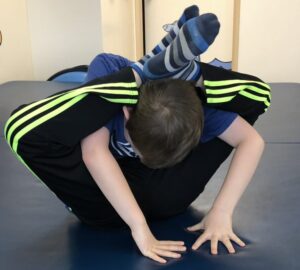
Hypermobility refers to having increased movement in joints due to laxity that exists in ligaments. This laxity is often strongly linked to genetics.
Variations of hypermobility are common and can appear in different ways. It can affect one joint, multiple joints, or all joints within the body.
Babies and children are commonly more hypermobile than adults, and in most cases, they grow out of it.
Why Do Some Children Remain Hypermobile Into Adulthood?
In a smaller percentage of people, hypermobility persists into adulthood. One of the most commonly recognized causes is Ehlers-Danlos Syndrome (EDS). This condition creates laxity throughout soft tissue within the body, which can affect multiple body systems, including joints and ligaments.
Common Symptoms of Hypermobility may include:
- Joint instability
- Muscle weakness
- Pain
- Fatigue or low endurance
- Dizziness
- Difficulty with daily activities and physical activities
- Sensory dysregulation
- Mental health challenges
Early assessment and targeted support can help children develop strength, learn to listen and protect their joints, enhance function, and reduce the risk of injury.
How CYP Supports Children With Hypermobility
At CYP, we provide evidence-based pediatric therapy for children with hypermobility, including those with EDS or generalized joint hypermobility.
Our collaborative, team-based approach helps children manage pediatric hypermobility. Your child may work with:
- Physiotherapists
- Occupational Therapists
- Massage Therapists
The goals of treatment are to provide education for children, parents, and caregivers to help families understand how hypermobility affects their child, and to offer exercises and strategies to improve function and protect joints from injury.
Tools and Techniques We Use
Depending on your child’s needs, treatment may include:
- Strength and stability exercises
- Muscle release and massage techniques
- Cupping and dry needling
- Taping or bracing to support joint stability
- Footwear and orthotic recommendations
- Equipment prescription
Our goal is to support the whole child—not just their joints. That is why education on posture, energy conservation, activity participation, regulation and mental health concerns is also an integral part of our treatment.
Personalized Treatment for Every Stage of Childhood
Whether your child is an infant, toddler, school-aged child, or teen, we design every session to match their developmental level. We focus on creating appointments that are:
- Fun
- Engaging
- Motivating
- Beneficial for each individual
We’re here to help children stay active and empowered. Our team will offer a comprehensive assessment and treatment for hypermobility and EDS.